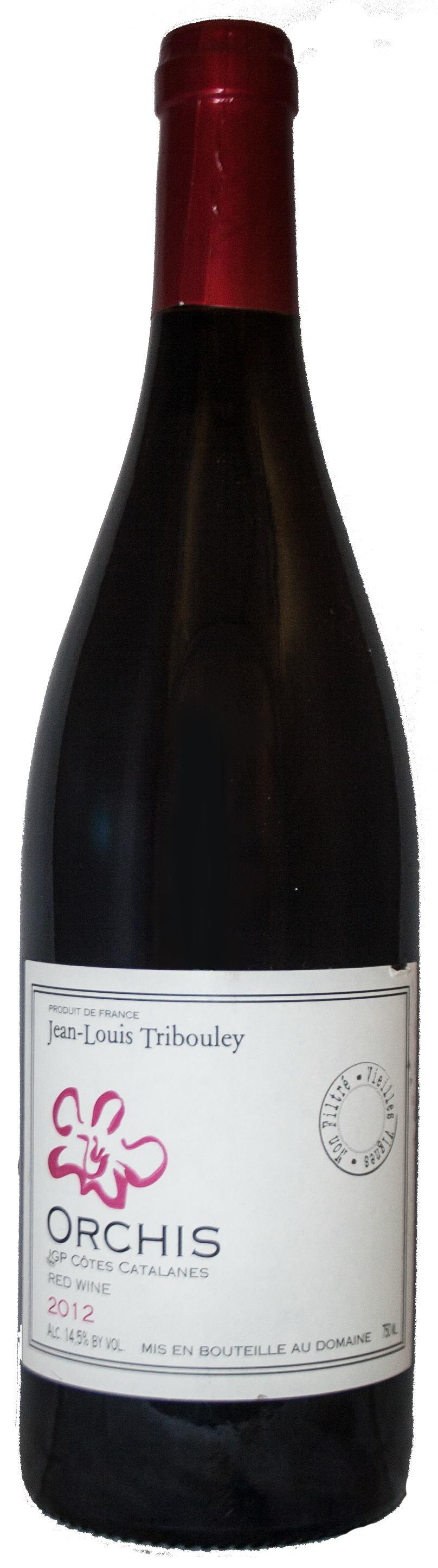
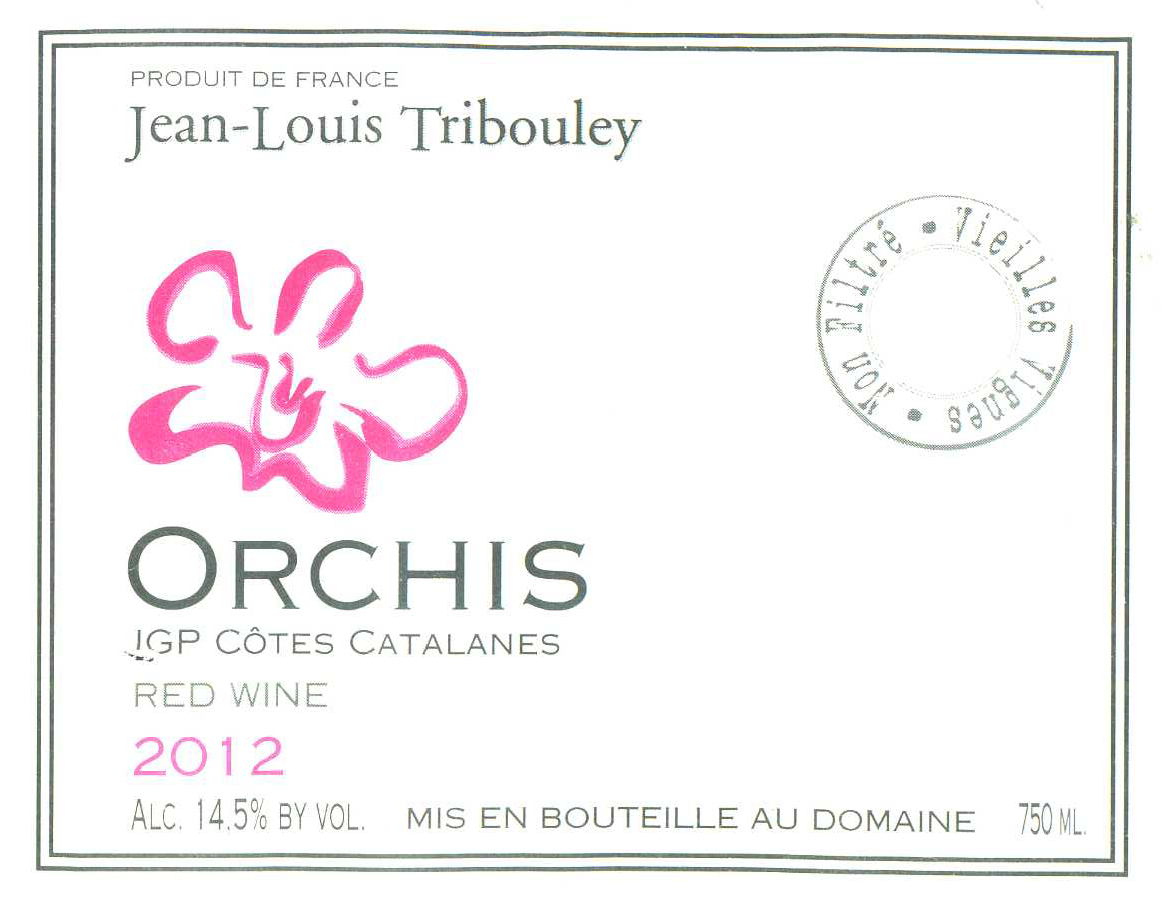
93-94+David Schildknecht - Robert Parker's Wine Advocate
"Since Tribouley's 2010 Orchis was as usual assembled already at crush; as it was contained in just two demi-muids and a lone barrique; and as it had long since completed its malolactic transformation, it was not difficult to gain a clear perspective on this young wine. What's more, the resulting vista was too impressive not to share! Sandalwood, cinnamon, bergamot, and smoky evocation of crushed stone tinge sweet concentrate of black raspberry on the nose; then follow on a palate of already velvet-like textural richness yet vibratory intensity and positively refreshing primary juiciness. Notes of iodine, chard, shrimp shell, and salt along with an ineffable sense of crystalline mineral impingement add saliva inducement and dazzlingly complex interplay to a superbly long finish. Look for at least a dozen years of dazzle. " Reviewed 6/2011
91 Robert Parker - Robert Parker's Wine Advocate
"The 2010 Orchis comes from 100+-year-old vines, mostly Grenache and the rest unidentified co-mingled field blend. Yields were an absurdly low 8 hectoliters per hectare, and the wine was aged in old 500-liter demi-muids before being bottled unfiltered. This whopper of a wine boasts intense notes of kirsch liqueur, lavender, licorice, raspberries and earth. Full-bodied, dense, opulent and rich, this stunning Cotes Catalanes can be drunk over the next 5-7 years. " Reviewed 12/2012
Product Description:
"Tribouley - for more about whom and about whose vineyards, consult my report in issue 183 - compares 2009 with 2007, noting that in both instances the trick was to preserve sufficient sense of freshness and vivacity to compensate for the effects of heat and some degree of desiccation. "I would have to give up farming if every year were like 2009," however, he notes, on account of pitifully low yields even by his already draconian standards. In 2008, acidity was higher but only marginally, and Tribouley relates that portions of the Coume du Roi had to be picked already on September 10 that year because they had reached 17% potential alcohol. While finished alcohol levels here continue to typically center around 15.5% alcohol, you would - equally typically - never be able to guess this on the basis of taste." - David Schildnecht - Robert Parker's Wine Advocate issue #195