94
Jay Miller - Robert Parker's Wine Advocate
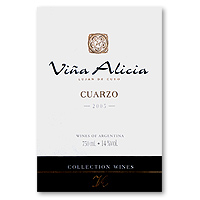
"The 2005 Cuarzo Petit Verdot includes 2.5% Grenache Noir and 2.5% Carignan in the blend. The wine was aged for 15 months in a mix of new and used French oak. Purple/black in color, it reveals a brooding bouquet of cedar, mineral, espresso, and blackberry. Dense, extracted, rich, and exceptionally concentrated, this behemoth will require 8-10 years to become civilized. It has all the right stuff except for a track record of past performance. If I were younger, I'd take my chances." -94 points Wine Advocate
"Saturated ruby. Complex, brooding aromas of blackberry, licorice, graphite, minerals, menthol and meat. Superconcentrated, sappy and suave, with harmonious acidity framing and intensifying the black fruit, herb and spice flavors. This really saturates the palate. The impressively long finish features sweet tannins and solid structure for aging. In fact, this densely packed, lively wine has a distinctly primary quality that suggests it will repay at least five or six years of cellaring." -91 points- Stephen Tanzer- International Wine Cellar
"Our wine goes after the name of quartz (cuarzo), the most important mineral in the composition of the soil where Petit Verdot is grown...Vina Alicia receives lineage and structure for a long life in casks and bottles. The Petit Verdot vineyard, with one hectare of expansion, has been cultivated with vines that come from the same mother plant. It took 15 years to obtain the results. In this vineyard, Carignan and Grenache Noir varieties are also grown."
"Harvest is manually done...the varieties are harvested separately, as their ripeness periods are different. Varieties are fermented separately at the winery. After going through the destemmer, berries are kept during 48 hours in cool places, to achieve the highest extraction of anthocyanins. Once alcoholic fermentation has started, temperature is kept between 28-30 degrees Celsius for Petit Verdot, Carignan, and the Grenache Noir...This process takes 15-20 days and the wine is pumped over twice a day and punched down to stimulate the passage of the polyphenols. Once the alcoholic fermentation has finished, the wine goes into casks to undergo malolactic fermentation. New French oak casks are used. After malolactic fermentation, the varieties are blended and kept in the oak casks for 8 more months."
"The wine has a powerful and stunning deep red color. The wine bears strength and personality, complemented by the melty grainy tannins on the palate and mineral and truffle aromas. Its power and personality makes a fine accompaniment to red meats and firm, blunt cheeses like Gorgonzola." -Winery